Shri Sudhasagar Hydrogel

Product

WHAT IS HYDROGEL?

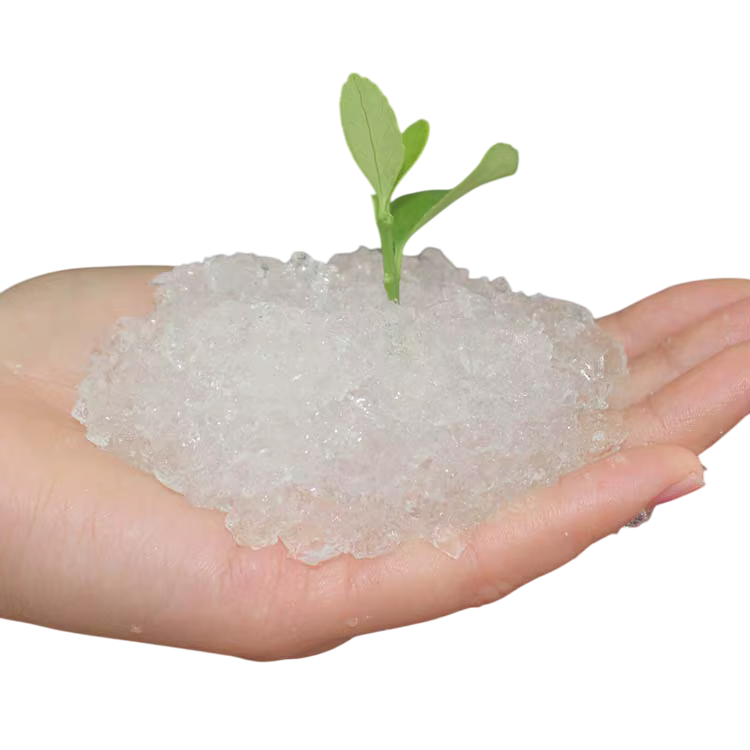
Hydrogel is a revolutionary super absorbent polymer (SAP) that acts like a “water bank” for plants. This advanced material can absorb and retain large amounts of water and nutrients, releasing them slowly to plant roots over extended periods.

Scientific Composition Our hydrogel is composed of cross-linked polymer chains that form a three-dimensional network capable of holding water molecules through hydrogen bonding. The polymer structure allows for:

  • High water absorption capacity (up to 350 times its weight)
  • Controlled release mechanism
  • Biodegradability in around 12 months
  • Chemical stability in various soil conditions

How Hydrogel Works

  • Step 1: Absorption

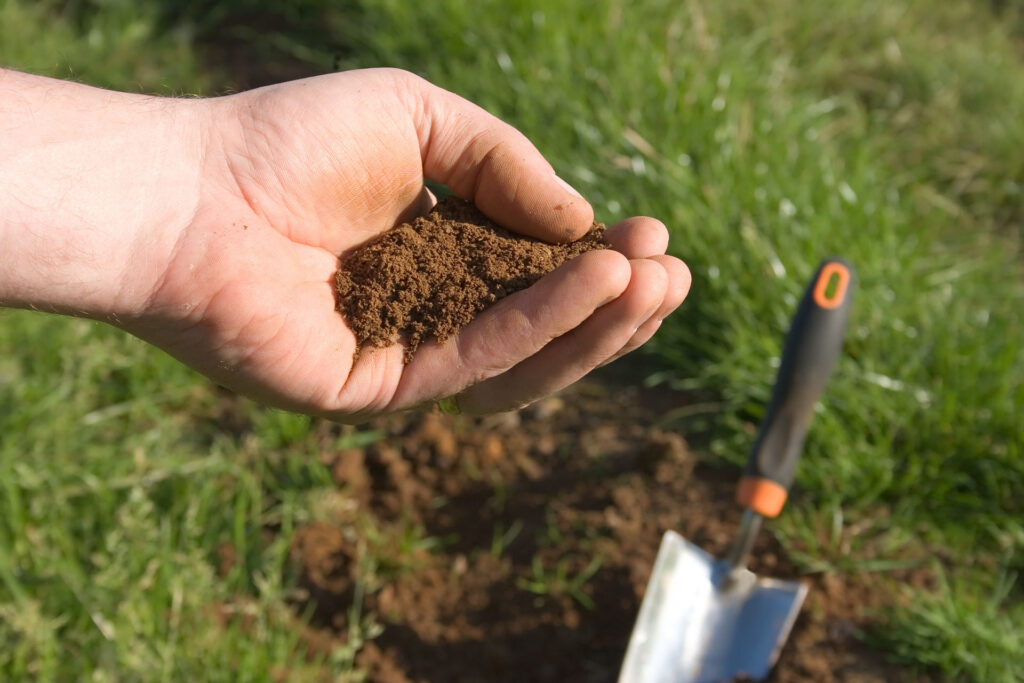
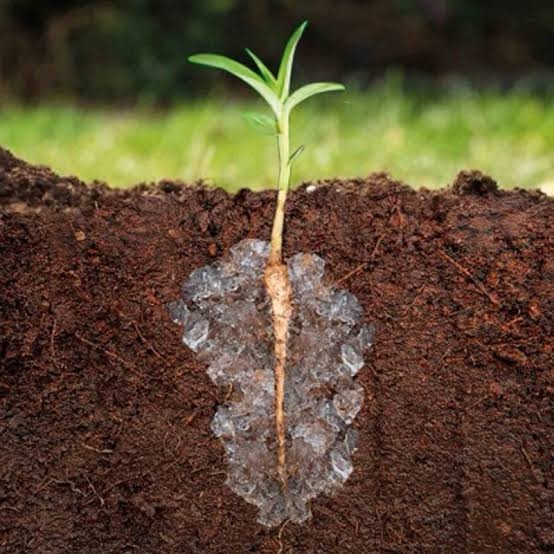
    When mixed with soil, hydrogel particles absorb available water from irrigation, rainfall, or soil moisture, swelling to form gel-like crystals.
  • Step 2: Storage

    The expanded gel particles create water reservoirs around plant roots, storing water and dissolved nutrients for future use.
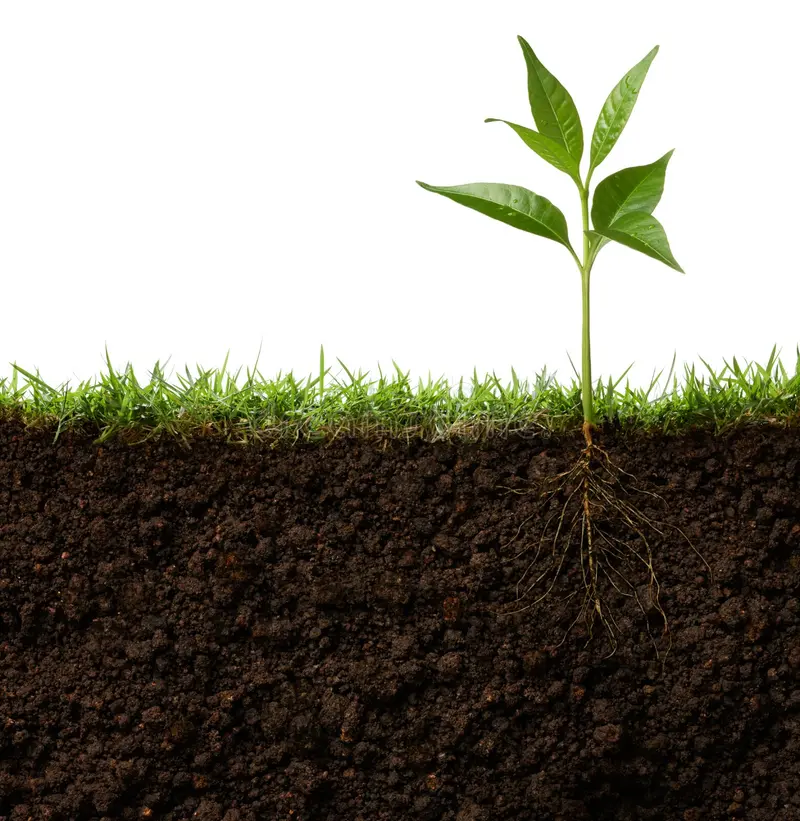
  • Step 3: Release

    As soil moisture decreases, the hydrogel gradually releases stored water directly to plant roots through osmotic pressure and root suction.
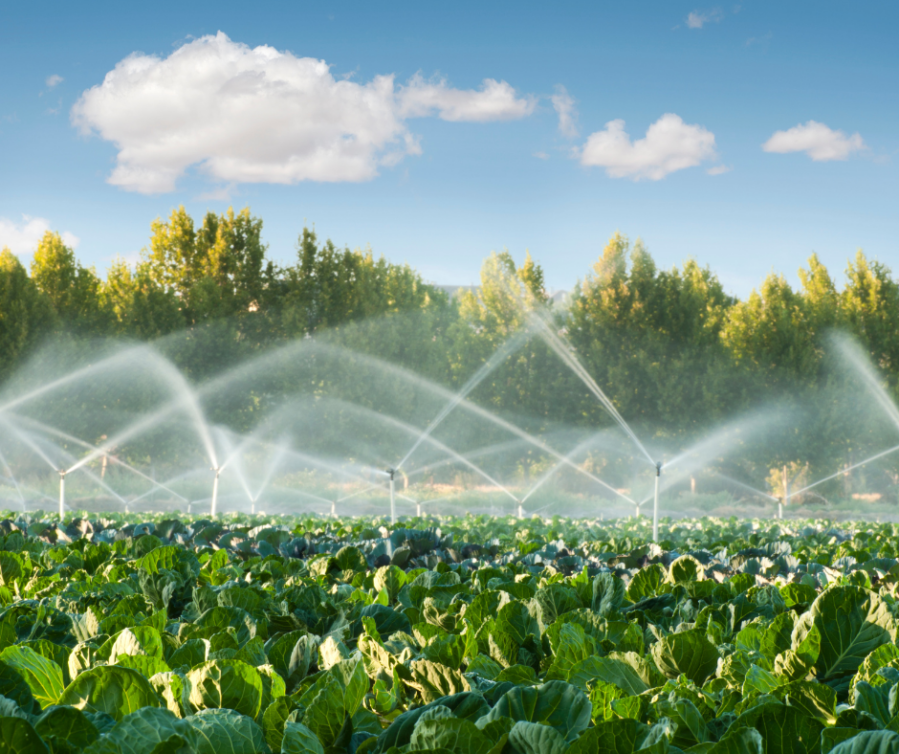
  • Step 4: Recharge

    The cycle repeats with each irrigation or rainfall, providing consistent moisture availability throughout the growing season.
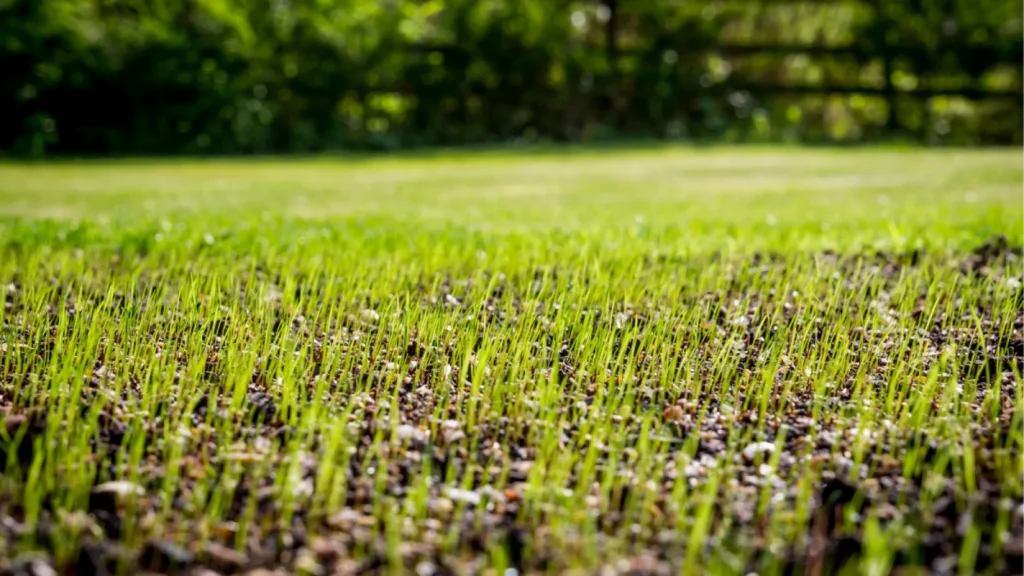
Key Benefits of Hydrogel

Improved Water Retention

Absorbs and stores large amounts of water, reducing irrigation frequency.

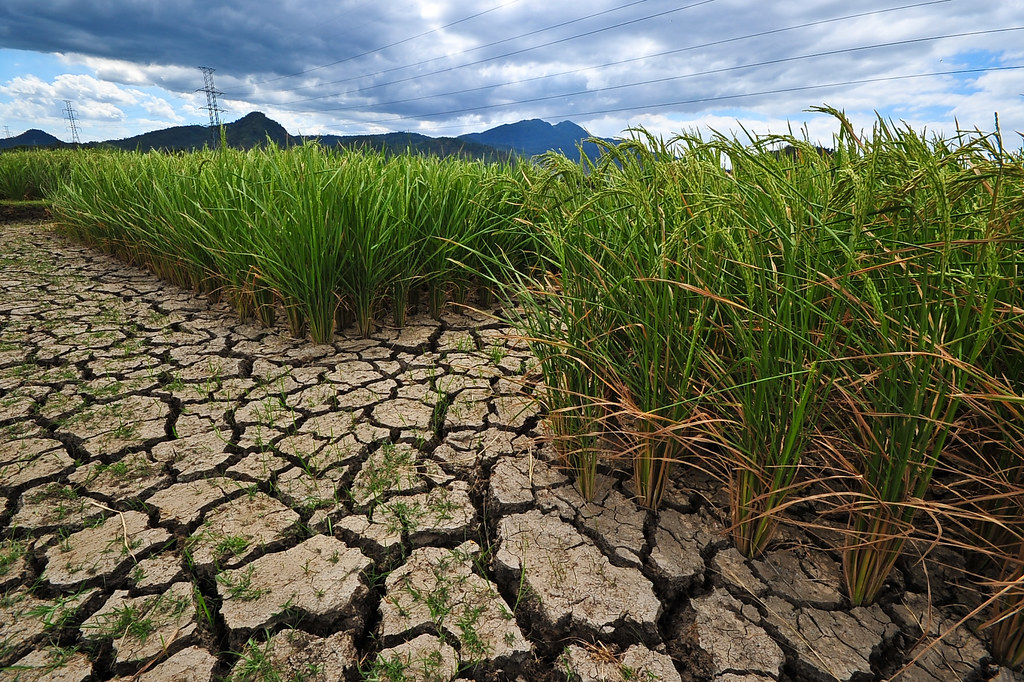
Enhanced Drought Resistance

Supplies moisture to roots during dry periods, helping crops survive stress.

Better Nutrient Availability

Holds nutrients in the root zone longer, minimising leaching losses.

Soil Structure Improvement

Increases soil porosity and aeration, promoting healthier root growth.

Applications of Hydrogel

Comprehensive Applications Across Agriculture & Beyond

Field Crops

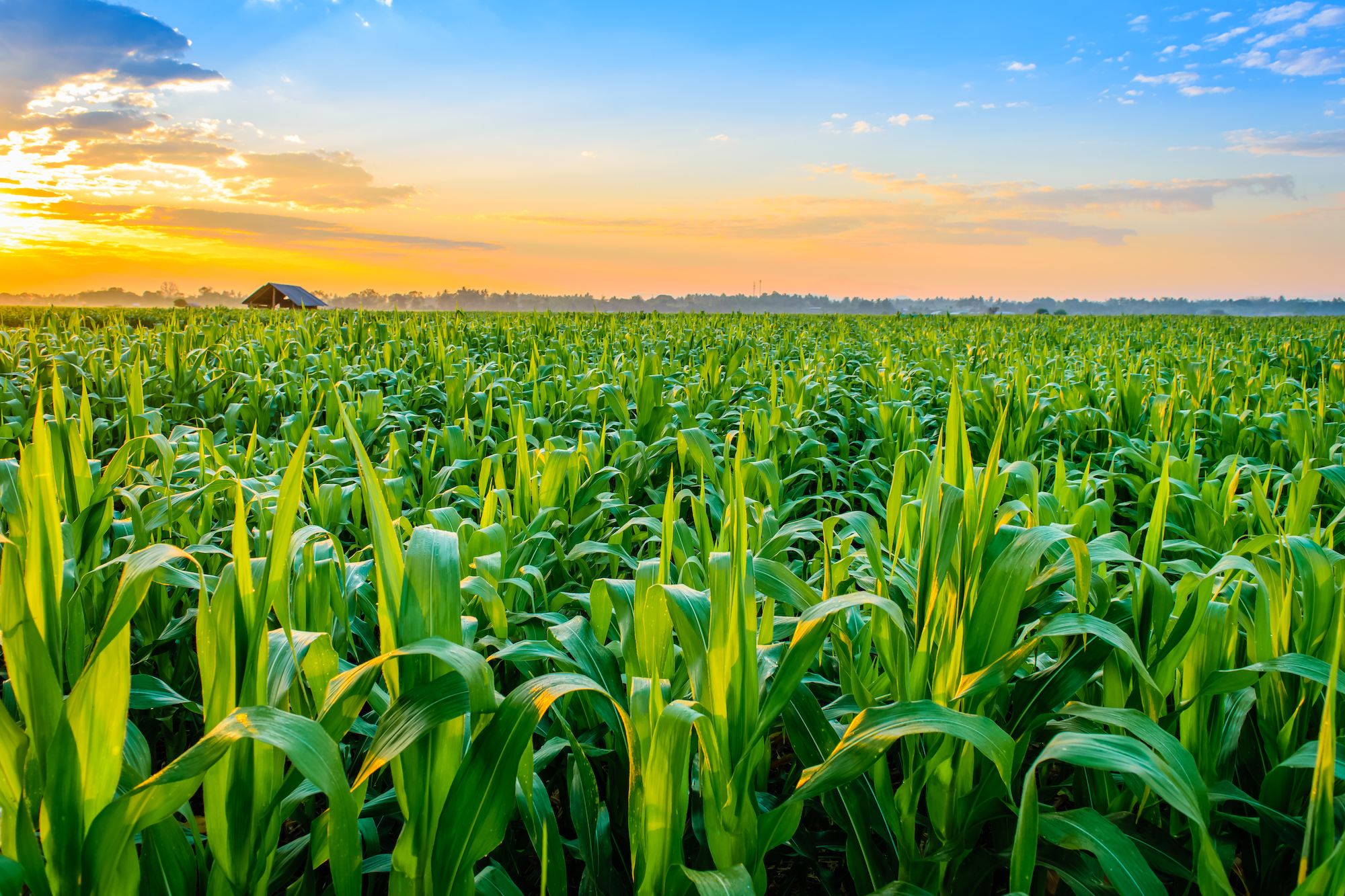
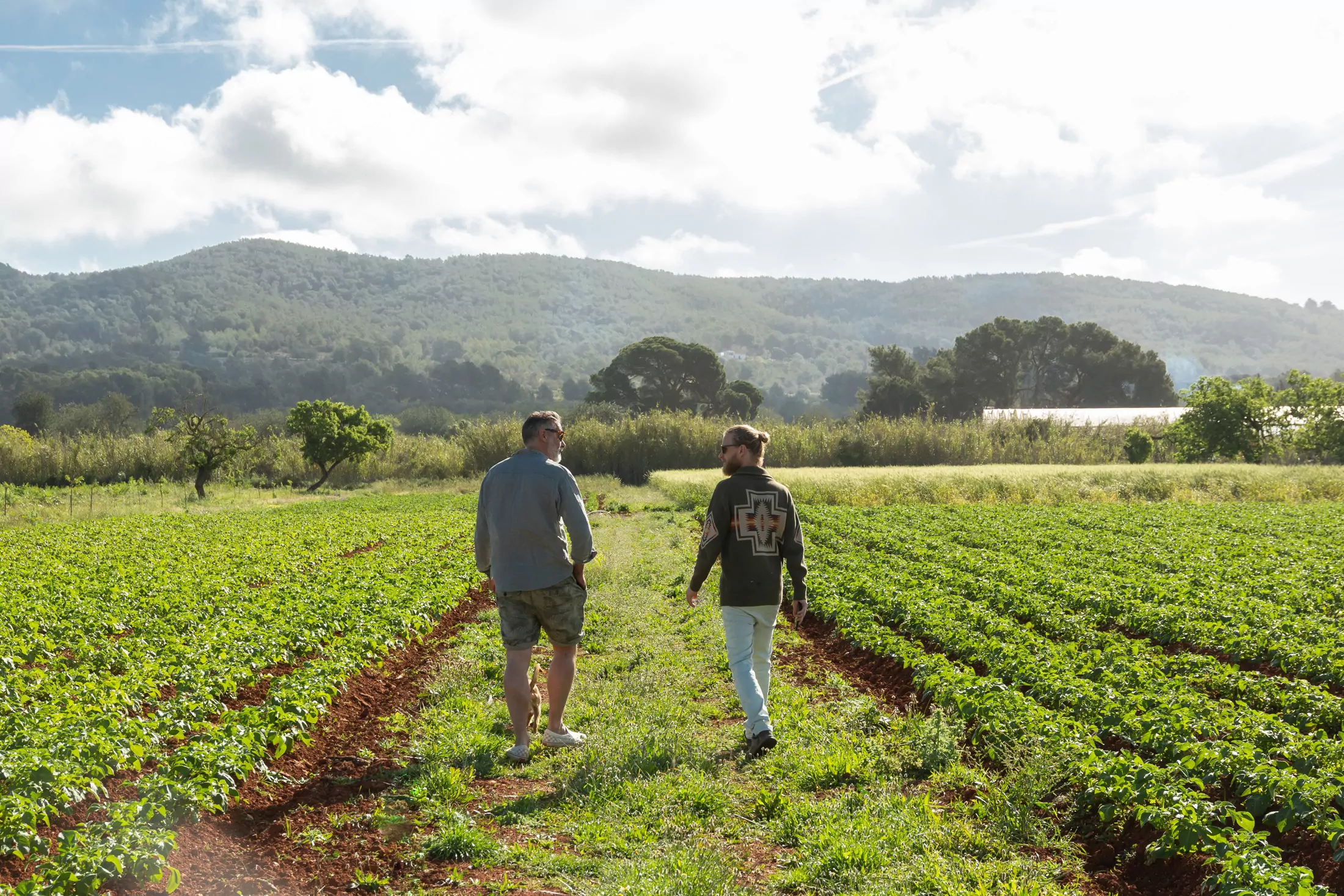
Hydrogel reduce water use in crop fields by 50%, boost crop yield up to 40%, and enhance drought tolerance in maize, millet, and barley. Cash crops like cotton, sugarcane, tobacco, jute, sunflower, and soybean also benefit with better quality, oil content, and higher yields.

Horticulture

In fruits, hydrogels improve size, sweetness, storage life, and reduce fruit drop in mango, grapes, citrus, apple, and pomegranate. Vegetables like tomato, onion, potato, capsicum, and leafy greens show improved quality, weight, storage, and nutrition.

Specialty Applications

Floriculture sees stronger, longer-lasting flowers in roses, chrysanthemums, gerberas, and nursery plants, while indoor plants thrive with low care. Landscaping, rooftop, and vertical gardens save water, lower costs, and ensure denser lawns and consistent sports fields.

Forestry & Plantation

Hydrogels raise tree survival to 80–90%, boost fruit orchards, bamboo, and medicinal plants, and support social forestry. Tea, coffee, and spices like turmeric, chili, cardamom, and pepper improve in quality and active compounds, while aloe vera, neem, ashwagandha, and brahmi show higher medicinal value.
Specialized Farming Systems

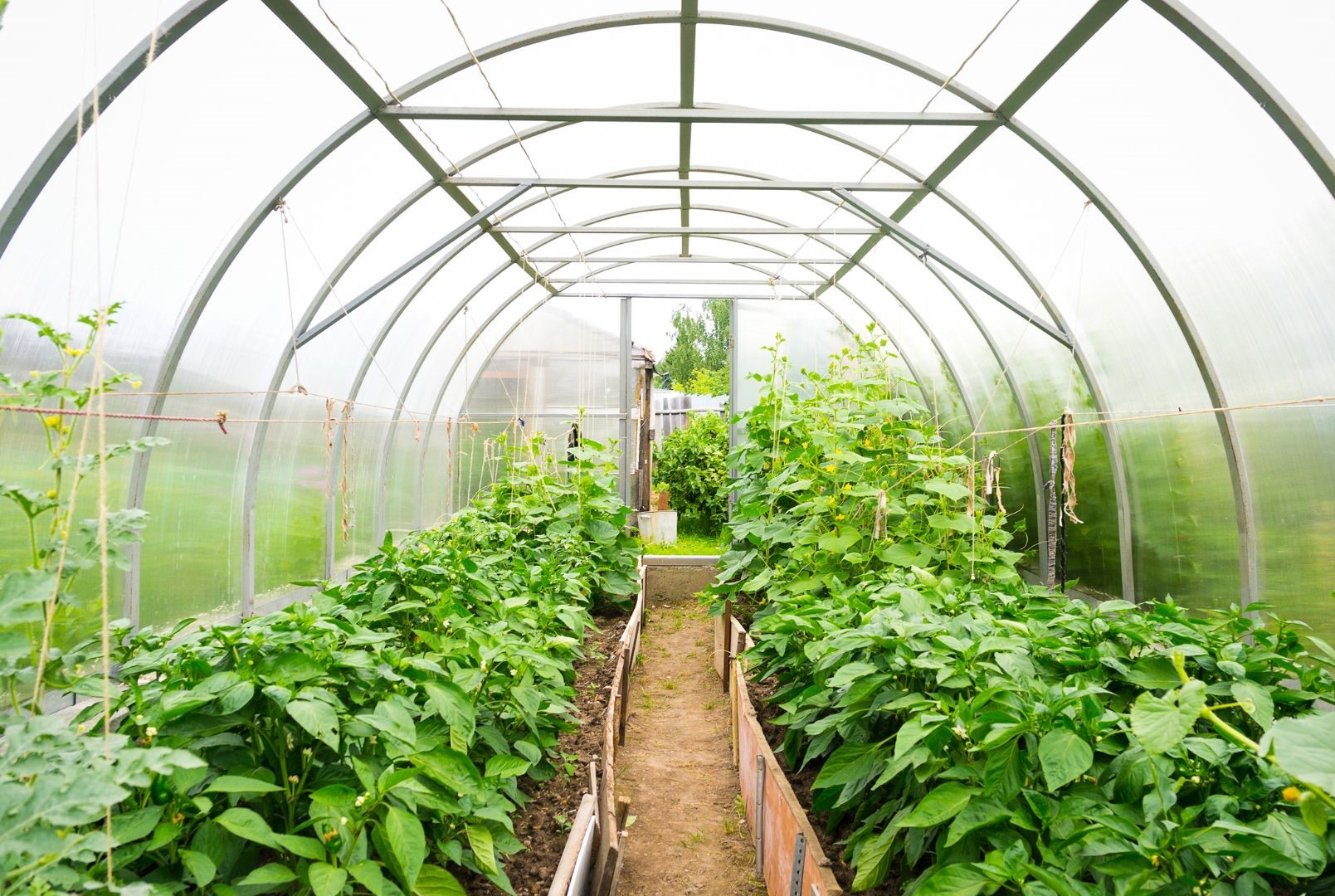
In protected cultivation, hydrogels optimize water and climate in polyhouses, shade nets, and hydroponics. Organic farming benefits with improved soil and microbes, while precision farming integrates hydrogels with drip systems, sensors, and smart technologies.

Regional Applications

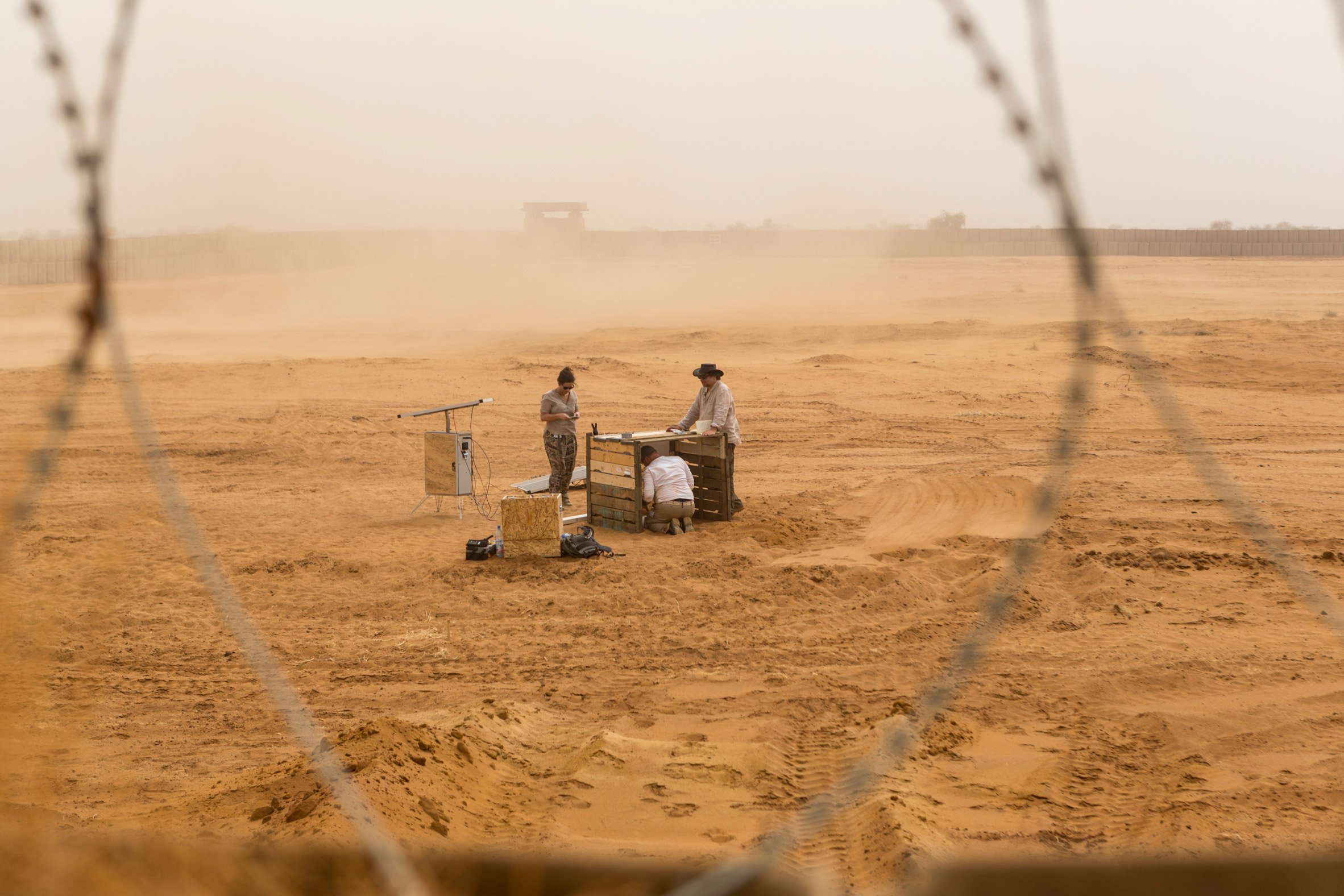
Arid zones benefit from desert farming and drought-resilient crops, coastal areas from salt-soil improvement and coconut farming, and hill regions from terrace farming, slope stability, and high-altitude cultivation.

0
    0
    Your Cart
    Your cart is empty
    Scroll to Top